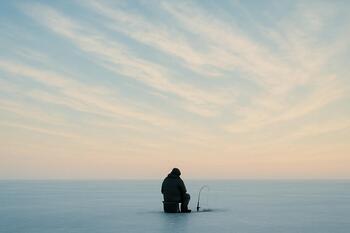
Morning strip
“Sky thin, wind light, boots fine. Could have left one mid layer at home.”
Field notes
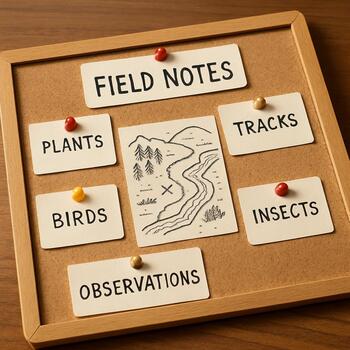
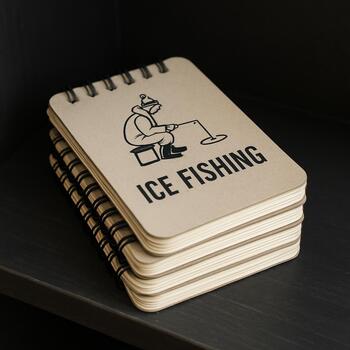
Instead of long stories, GlacierHook field notes focus on short strips: light, wind, snow and what the layout felt like under your hands.
Each note helps fine-tune which bundle lane you trust for the next weather window.
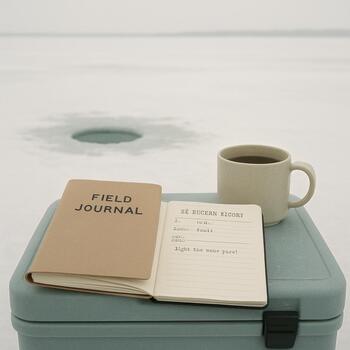
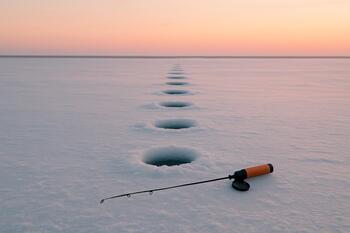
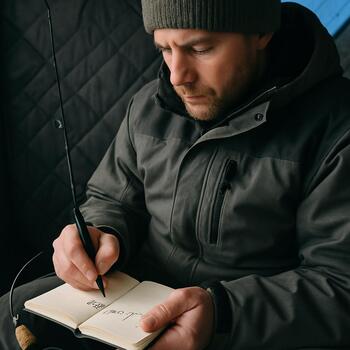
Micro logs
Each card holds just enough to adjust a layout: sky, snow, holes and how the kit felt on the walk back.
“Sky thin, wind light, boots fine. Could have left one mid layer at home.”
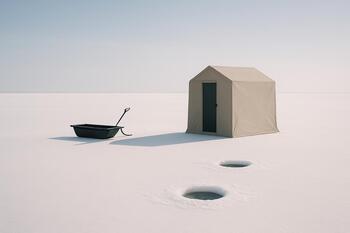
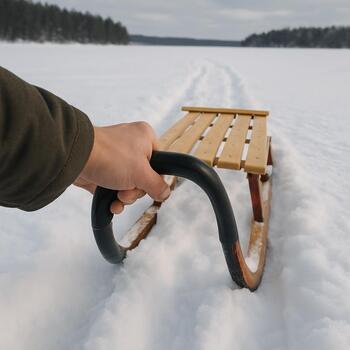
“No drift, soft snow. Shelter felt right but sled was too full on the walk in.”
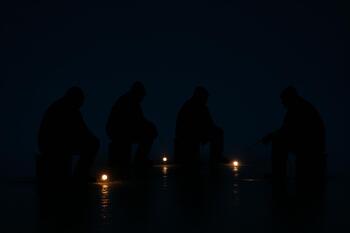
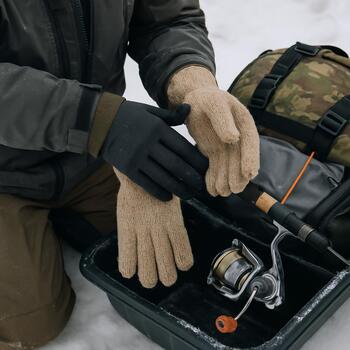
“Headlamp beam fine, hands cold. Need warmer gloves in the night bundle.”
Season strips
Early ice, deep midwinter and late, soft days each ask for a different feel in the kit. Season strips keep those shifts clear.
Route ribbons
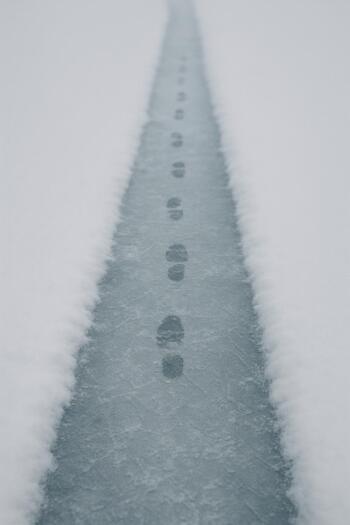
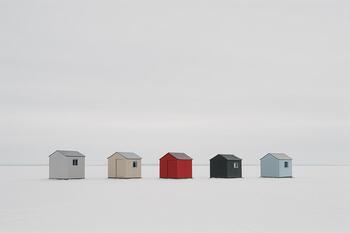
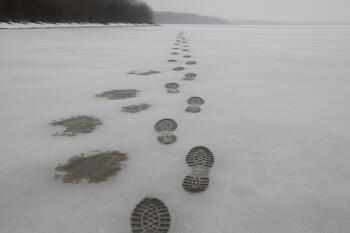
Field notes track simple ribbons: shore, mid loop, night line. Each ribbon tells you what the bundle felt like in one pass.
You do not need every contour. You just need to remember how far the walk felt and what the sled did on the way back.
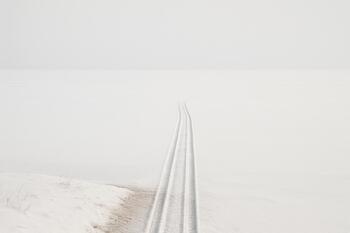
Light boots, shallow holes, quick checks. Notes say if the Scout lane still feels easy.
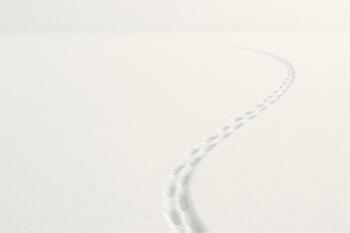
Several clusters, one loop. Notes capture how your shoulders and hands feel after the last hole.
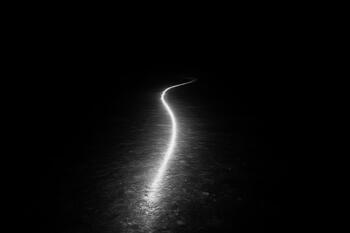
A single line out and back under headlamp. Notes show if the night lane is warm enough.
Wind & snow
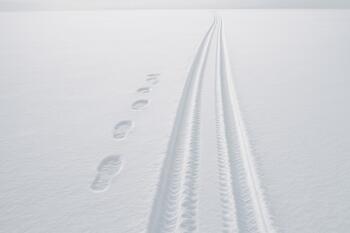
Many notes on this page circle the same two things: where the wind came from and how the snow sat on top of the ice.
Quiet fails
Field notes make room for the small failures: tangled lines, cold hands and sleds that tip on little ridges even when the checklist looks perfect.
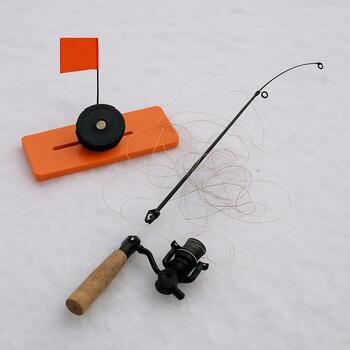
A note about one bad tangle can change where rod cases ride in the sled for the rest of the season.
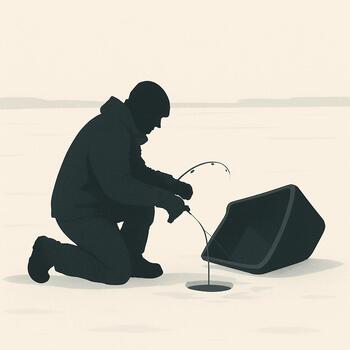
Another note captures the moment you quietly repack and keep walking instead of going home.
Hands memory
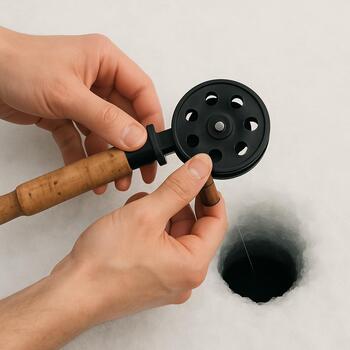
Some trips are remembered in your hands first: a reel that felt slow, a glove that took too long to pull on, a handle that bit into your palm.
Field notes catch those quiet details and tie them back to a lane, a temp band and a real walk on the ice.
Night color
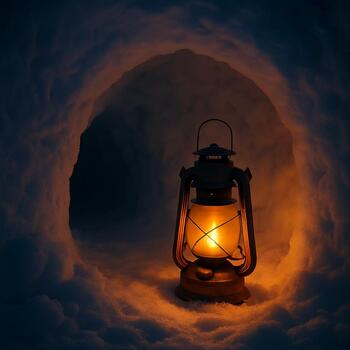
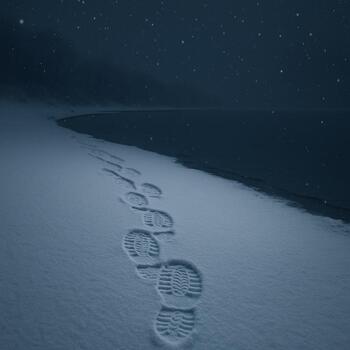
Night notes are almost all about color. Lantern glow, headlamp beams and the way snow changes from blue to gray as the session goes on.
Margins
Not every trip gets its own page. Many only get a few lines in the margin: “boots fine, gloves thin”, “lane too loud on hard snow”, “shelter door fought the wind”.
Those lines are the ones that move gear between bundles more than anything else on this page.

Snapshots
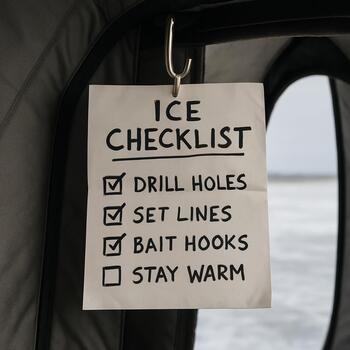
One card for the walk out, one for the way back. Just a few words on how the bundle felt.
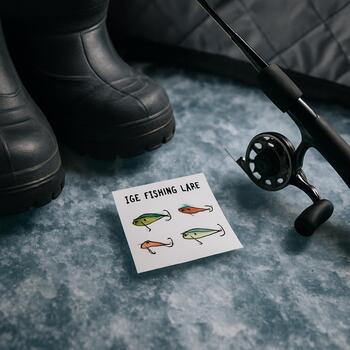
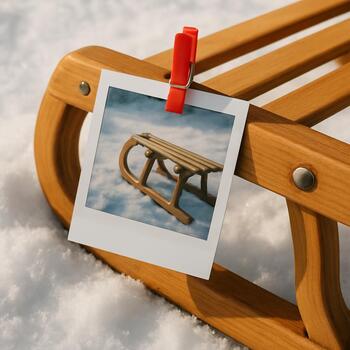
Short notes on how one person moved between holes and back to shore.
Quick lines on how two people shared one bundle or split it in half.
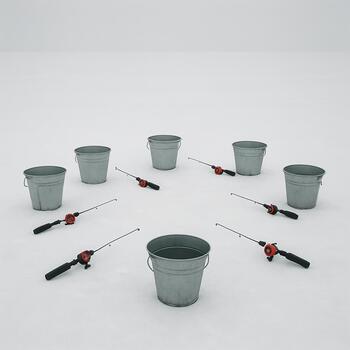
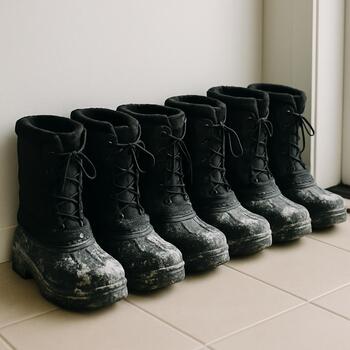
A few words on where buckets, heaters and boots ended up.

Session circles
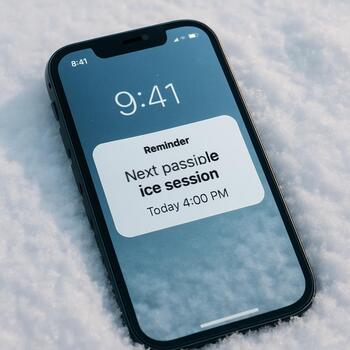
At the end of a day you only need a short circle: how the walk felt, how the holes played and whether the bundle matched the sky.
These circles turn scattered notes into a quiet “keep” or “change it” for each lane.
Gear pressure
Short notes on pressure points tell you more than long gear lists. They show where the bundle is tired before you are.
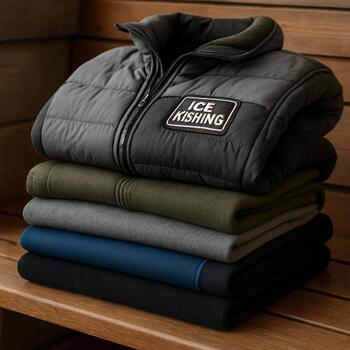
A quick note on shoulders or neck tells you if one layer needs to move bundles.
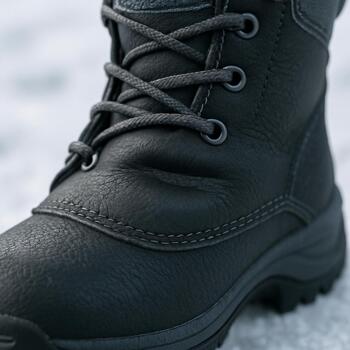
A line or two about ankles and arches can move boots to another lane.
Archive
Some notebooks never leave the house again, but their lines keep shaping how bundles are built.
GlacierHook field notes leave space for this tiny archive: a few seasons of ice that still matter.
Field kit
This page is here so a single line in your notes can move a rod, a layer or a whole sled from one lane to another.
When the next clear window opens, you already know which bundle to trust first.