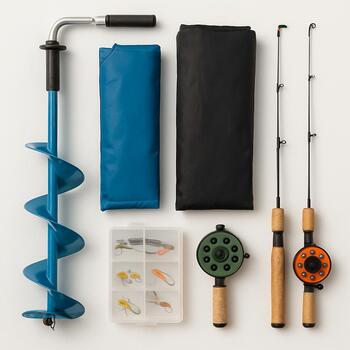
Bundle map

Layouts that feel ready before you touch the ice

Day, night and crew bundles are laid out like calm strips, not crowded piles of gear.
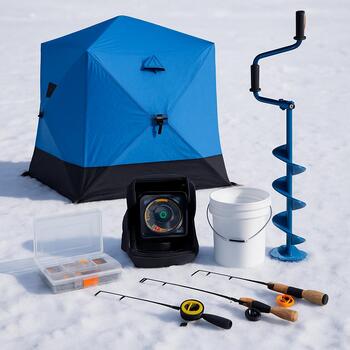
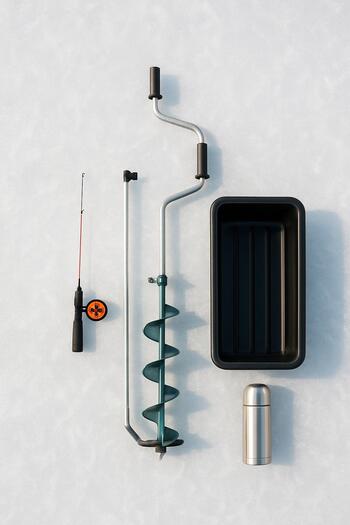
Daytime ice fishing kit laid out with short rod, auger and compact sled
Day strip: rod, auger and sled arranged for short windows of good weather.
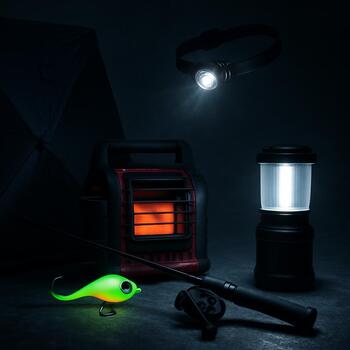
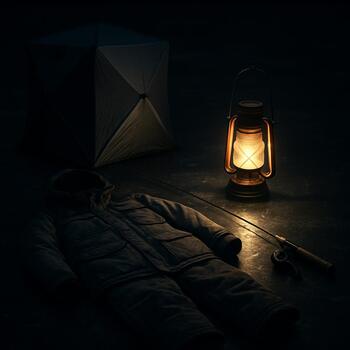
Night ice fishing kit with lantern, shelter and layered clothing
Night layout: shelter, light and layers grouped around the doorway.
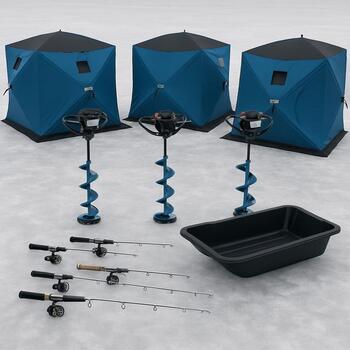
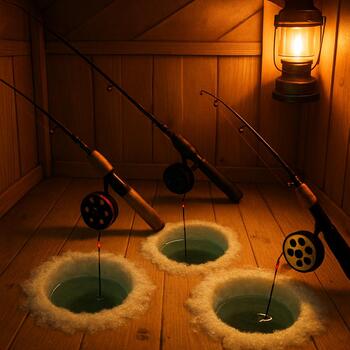
Crew ice fishing kit with multiple rods and wide sled ready on the floor
Crew bundle: a wide sled and shared tackle trays for small groups.

Kit families

Three calm families instead of dozens of SKUs

Pick a family first, then fine-tune size and warmth level inside it.

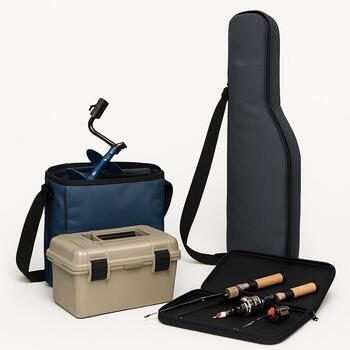
Lightweight ice fishing pack with rod tube and small box laid flat

Scout line

Short walks, quick holes and the lightest sled options we have.

Ice shelter floor view with heater, chair and two rods in holders

Shelter stays

Stable fabric walls, heater spots and mats that keep feet off the ice.
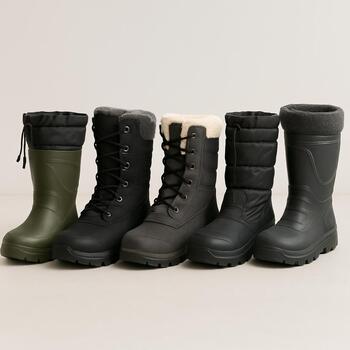
Lineup of insulated boots and cleats standing on dark ice

Stride packs

Layered clothing and boots for anglers who walk more than they sit.

From pile to strip
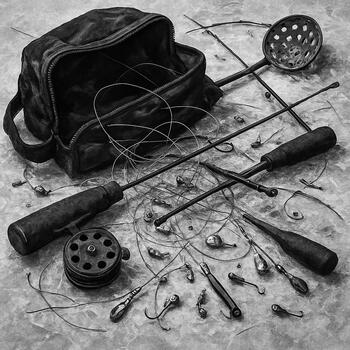
The same gear, just finally in order

Messy ice fishing gear pile with rods and clothing stacked randomly
Before: a heavy pile that always feels like something is missing.
Same ice fishing gear laid out in a clean strip from door to exit
After: a narrow strip you can scan in one glance before you leave.

Distance bands

Layout sizes tied to how far you walk

Three calm bands help you pick a bundle without counting items.
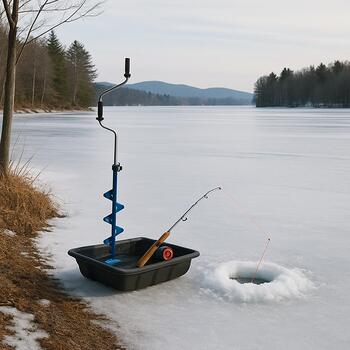
Shoreline ice fishing kit with small sled beside a short walk path

Shore band

Short walk from the car, light auger and a small box.
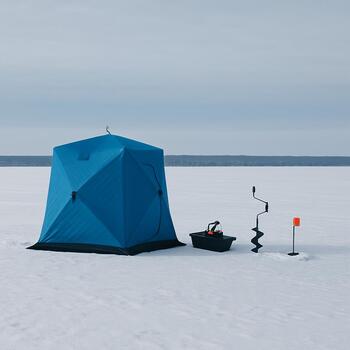
Mid-lake ice fishing kit with sled and two rods lined up

Mid-lake band

Several spots in one loop, steady auger work and a shelter.
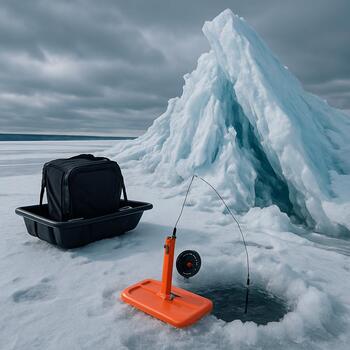
Far ridge ice fishing kit with wide sled and packed shelter

Ridge band

Longer crossings with a full sled and heavier clothing.

Layer stacks

Three small panels to remember what goes on first

Base, mid and shell are shown in simple blocks instead of long clothing lists.
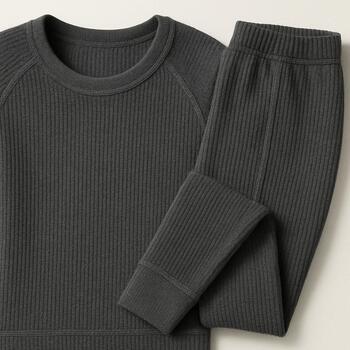
Base layer panel with thermal top and leggings laid on dark background
Base keeps the chill away from skin.
Mid layer fleece and light pants arranged in a simple rectangle
Mid traps warmth without feeling bulky.
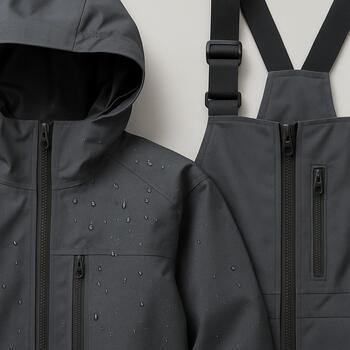
Outer shell jacket and bibs hanging ready by the door
Shell blocks wind and snow on the ice.

Rod rack

A small rack that shows what each rod is for

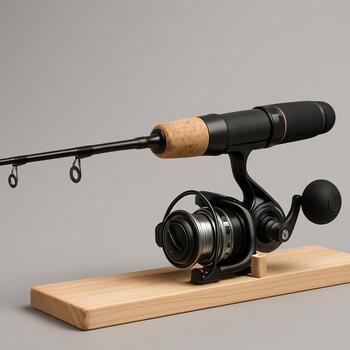
Short finesse ice rod resting in a rack slot with light reel

Finesse slot

Light tip for slow drops and shy midwinter bites.
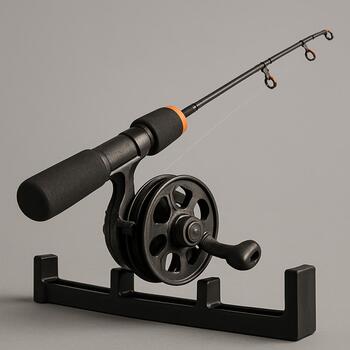
Search ice rod with slightly heavier blank and bright handle

Search slot

A bit more backbone for covering new holes quickly.
Spare ice rod stored with line clipped and hook secured

Spare slot

Backup rod stays ready when a guide freezes or line tangles.

Sled lanes

One lane for the ice, one for the walk back

Each GlacierHook sled layout treats the tub as a narrow lane, not a big box. Rod tubes, augers and bags line up from front to back so you always know what sits closest to your hand.

The front half of the sled handles what you grab on the way out. The rear holds the quiet pieces you only touch once you pick a spot.

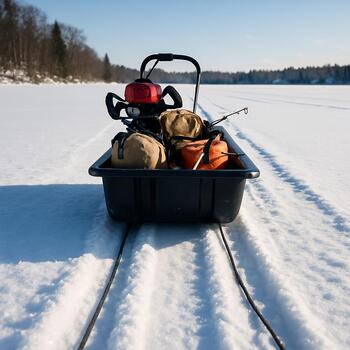
  • Hard gear and weight up front, soft bags and layers near the handle.
  • Shared trays sit where everyone can reach them without twisting.
Front of an ice fishing sled with auger and rod tube strapped down
Front: auger, rod tube and heavier items ride low and tight.
Rear of an ice fishing sled with soft bags and folded shelter
Rear: soft bags, shelter and spare layers lean toward the handle.

Hole clusters

Simple cluster grids instead of busy maps

Bundles are tested on small three–five hole clusters, not full lake diagrams. Each cluster only needs one clear way to stand, sit and move.
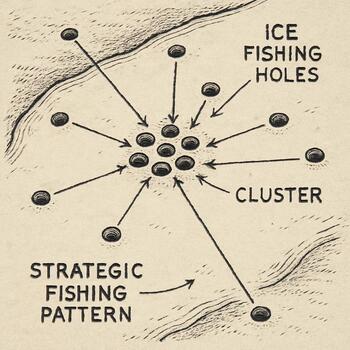
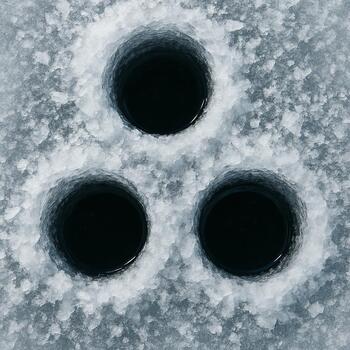
Hand-drawn hole cluster map with three marked spots and depth notes
A three-hole cluster shows where the sled rests and where feet should not cross.
Top view of several drilled ice holes with a sled parked to the side
Gear strips line up parallel to the cluster instead of cutting across it.
Inside view of a shelter looking out toward a small cluster of holes
Shelters sit where wind hits first, so doors open downwind.

Doorway lists

Two tiny lists for before and after the ice

GlacierHook layouts ship with a short doorway card and a matching phone note. One list is for leaving the house, the other for coming back in.

Most anglers keep adding new items over seasons. These two lists keep that growth from turning into noise.

  • “Out” side: rod tube, auger, sled, base layers and food.
  • “Back” side: wet gear, battery levels and next-session notes.
Small sticky note doorway checklist with ice gear items
Doorway cards match how your kit is laid out in strips.
Phone screen with a short ice fishing reminder list
Phone reminders echo the same few lines, not a full inventory.

Temperature bands

Layout tweaks across three simple temp ranges

Instead of chasing every degree, GlacierHook kits focus on three calm bands: gentle freeze, deep cold and harsh fronts.

Each band slightly shifts which layers ship in the bundle and how tight the sled lane is packed.
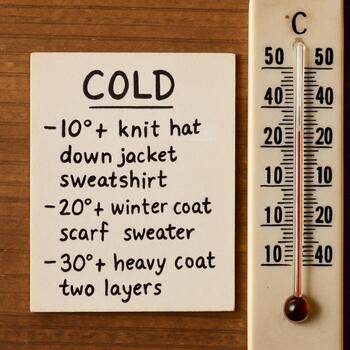
  • Light freeze: more freedom to move, thinner gloves and boots.
  • Deep cold: thicker mids, tighter cuffs and lined boots.
  • Front days: wind-first choices for shells and anchors.
Short ice rods hanging on a simple wall shelf with hooks
Rods hang where you see tips first, not handles.
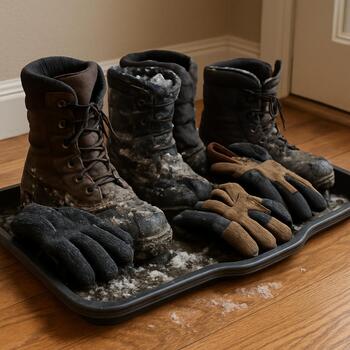
Insulated boots and cleats lined up on a tray near the entry
Boots sit on trays that match how sleds are packed.

Home shelf

A small wall shelf that mirrors the sled

Many anglers keep one narrow wall shelf near the door. GlacierHook layouts are tested to mirror that shelf, so you can stage the same order at home and in the sled.

Rods, boots and the main clothing stack each get a clear position that does not change when you add new lures or a second rod.

Session flow

A simple flow from first footstep to last glance back

Layout diagrams for each bundle follow a short line: hallway, sled, first hole, last scan of the ice.

Angler stepping out of a door with ice gear strip ready on the floor

Morning exit

One look at the strip by the door confirms rods, auger and sled handle are in the same order as last time.
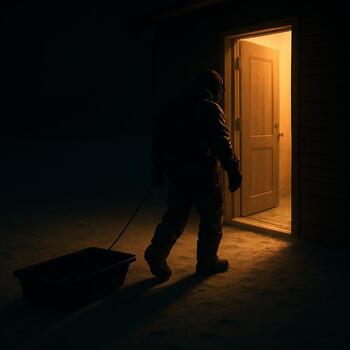
Angler coming back to a doorway, setting wet ice gear on a mat

Night return

Wet gear lands on a small mat in the same order, making it simple to see what needs drying or charging.

Bundle labels

Small labels that match each lane and band

Every GlacierHook bundle ships with two quiet reminders: one tag stitched into the gear and one small card on a loop. Both use the same symbols you see on layout diagrams.

Day, night and crew icons repeat across the sled, shelf and maps, so your hands follow the same order even when you are tired or in a hurry.
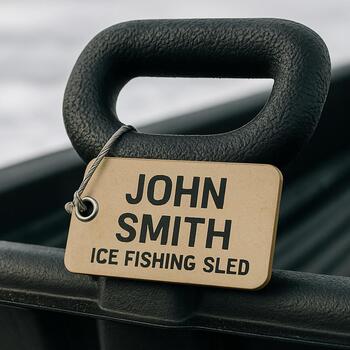
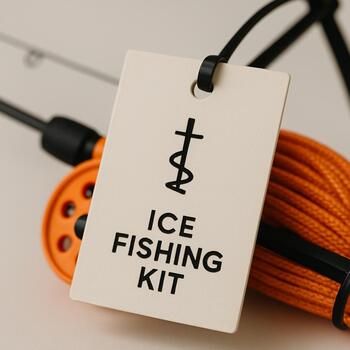
Fabric label for an ice bundle attached to a sled handle
Handle tags show which lane and distance band this sled belongs to.
Small bundle label card on a lanyard with simple lane icons
A small card mirrors the same icons on your doorway strip.

Packing notes

The small mistakes we design layouts to avoid

Most problems on the ice come from how kits are stacked, not what is inside them. Each bundle layout tries to prevent a few common patterns before they start.
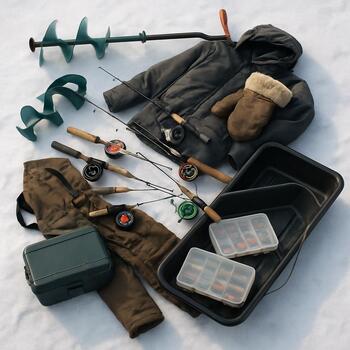
Overpacked ice sled with gear spreading too wide and high

Too wide and high

A tall, wide pile is hard to strap down and harder to read at a glance. Bundles replace this with a narrow lane from front to back.
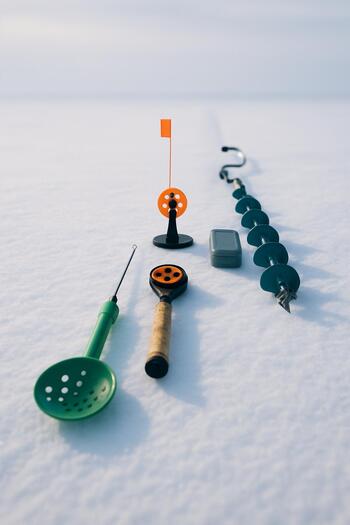
Correct narrow strip of ice gear packed low in a sled

Low, narrow strip

A low strip keeps weight near the ice and leaves a clear reading order: auger, rod, shelter, layers and food.

Snow notes

Short snow notes to remember what worked

Some anglers scribble notes right on the lake edge. GlacierHook layouts leave space for that habit: small spots in the pack where notebooks and pencils always live.

You do not need to log every fish. A few lines about sun, wind and hole cluster shapes are enough to adjust the next layout.
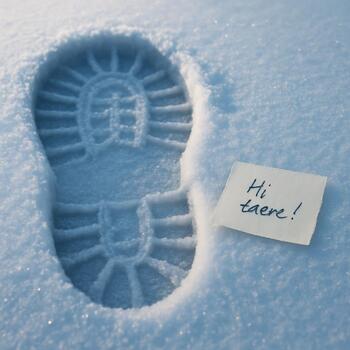
Notebook and pencil lying beside boot tracks on snow by the ice
Tracks, notes and cluster sketches live in one small notebook.
Angler kneeling near the lake margin writing a short ice note
Layout cards leave a corner open for your own snow notes.

Crew circle

A simple circle that keeps friends out of each other’s lines

Crew layouts focus on where people stand first and where rods point second. The circle leaves clean paths for hands, feet and sled handles.

Overhead view of several anglers standing in a loose circle around holes
Overhead circles show where each rod points and where sleds should rest.
Inside view of a shelter with anglers seated in a ring around central holes
Shelter circles map where boots, heaters and buckets belong.

Pick a lane

Choose one calm bundle before adding the rest

Layouts on this page are meant to help you pick a single, clear starting lane: Scout, Shelter or Stride. Each one already knows its distance band, temp band and crew size.

Start with the lane that matches your next real trip, not the biggest list you can imagine. You can always add a night or crew bundle later.